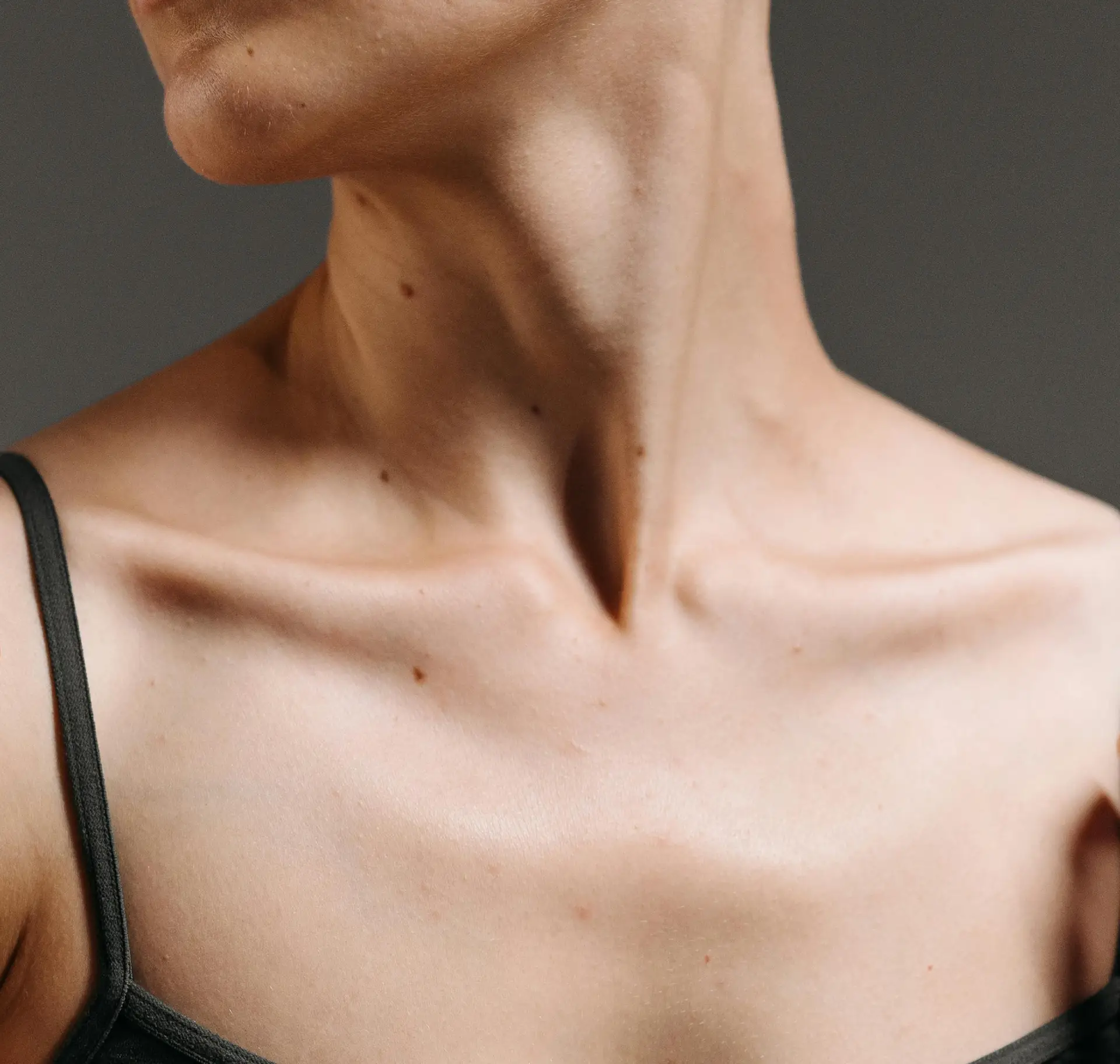
Chest Vein Sclerotherapy
Chest and Breast Vein Treatment
Unwanted Chest Vein Summary
What Causes Unwanted Chest Veins
Family History and Complexion
Fair skinned individuals, especially women, are more likely to have visible veins on their chest.
Hormonal Changes
Hormonal changes such as pregnancy, menopause, and exposure to birth control contribute the appearance of chest veins
Aging
As we get older, our skin gets thinner and we lose youthful body fat distribution. This makes our veins more visible.
Sun Exposure
Sun exposure gradually ages and damages our skin, making chest veins and spider veins more prominent
Breast Augmentation and Surgery
Breast augmentation and breast cancer surgeries change the natural anatomy of the chest area, making chest veins more prominent
Medical Conditions
Some medical conditions, such as dialysis access, history of lymph node dissection, implanted endovenous devices, and central venous lines may create hidden obstructions that force blood to reroute to chest veins. This requires detailed medical evaluation to understand and treat before any sclerotherapy procedures.

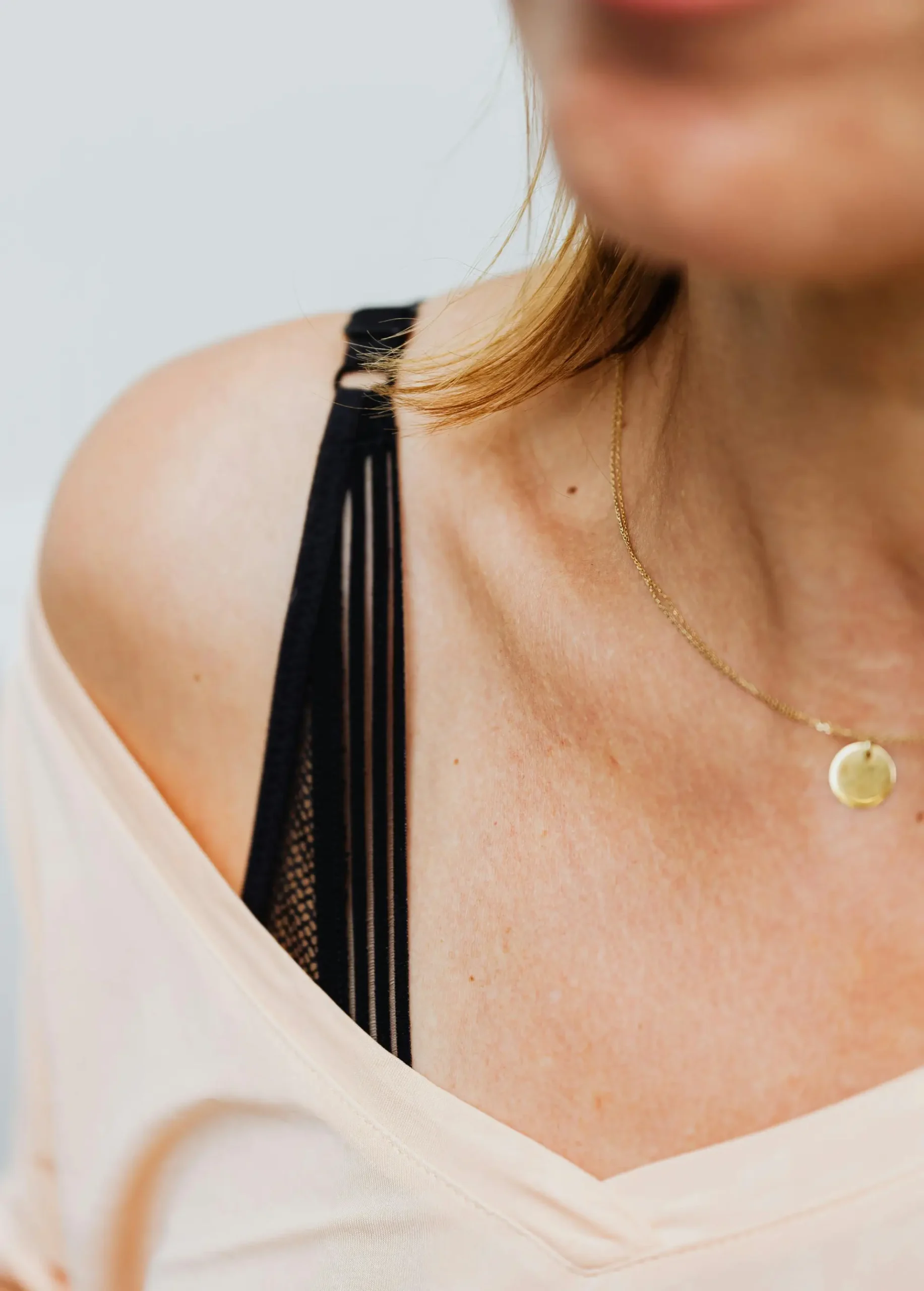
How We Evaluate Chest Veins
For patients with more advanced history and/or clinical signs of central venous pathology, he/she/them are referred to our vascular surgeon for medical evaluation.
Sclerotherapy for Chest Veins
After treatment, the veins may appear irritated and mildly red. This usually takes a few weeks to resolve. We recommend wearing protective clothing and wear sunscreen for a few weeks to minimize unwanted discoloration after treatment.